Strategic Clarity
---
"Nick's knowledge, experience, and support helped us get there - our strategy is now easy to explain, easy to remember, and something people actually use day to day..."
- Charity CEO -
After a leadership workshop, nothing had changed.
The conversations had been good - genuinely good. The team had talked about mission, direction and priorities. There was real energy in the room.
But three weeks later, the CEO was sitting with pages of notes and no clear way to turn them into something the whole organisation could actually use.
That's a familiar place to be. The thinking is there. The words aren't.
What We Did
We worked with the CEO in a focused session - not to introduce new frameworks, but to listen. To reflect back what we heard. To find the shape of what was already there.
Then we helped distil it. A small number of strategic pillars, each one connecting to a different part of the organisation. Language that felt true to the charity, not borrowed from a strategy textbook.
We stayed involved through the drafting - written support, email back-and-forth - until it was something people could actually use.
What Changed
The strategy became a single visual. One page. Clear enough to sit at the front of every document, across every function. Each pillar maps directly to a department - so fundraising, service delivery, and leadership all know exactly where they fit into the bigger picture. Projects that once felt disconnected, or quietly withered away, now get tested against something tangible.
Less drift. Less wasted effort. And despite the pressure the sector is facing, morale is higher.
The strategy stopped living in a document. It started showing up decisions.


Creating clarity through strategic conversations
"Excellent value for money and really helped to solidify what I was thinking and planning. Also got me to think about the wider context and impact"
- Charity CEO -
A small charity leader had discovered one of our blogs and reached out while navigating a challenging period for their organisation.
They were juggling competing priorities, with lots of thoughts and ideas about what needed to happen, but struggling to establish what was most important and how best to move forward.
Our initial 30-minute conversation helped bring some structure to those competing priorities and identify a way to start working through them.
We agreed to establish regular one-to-one strategy conversations.
What We Did
Through a series of structured but informal conversations, we provided a space to step back from the day-to-day demands of running the charity.
Together, we worked through the challenges facing the organisation, explored potential opportunities and helped turn a collection of thoughts into clearer priorities.
Importantly, we focused not just on identifying problems, but on helping the charity leader articulate the questions they needed to ask and the decisions they needed to secure agreement on from their trustees.
What Changed
Over the course of our conversations, the charity leader developed greater clarity around the challenges facing their organisation and the opportunities available to them.
They became better equipped to articulate the issues, define clear questions and identify the support and decisions needed from their trustee board to drive change.
Perhaps just as importantly, they finished feeling more in control and less alone in navigating the challenges ahead.
The Result
Greater clarity, a stronger sense of direction and renewed confidence to take the next steps.
Building Confidence in Corporate Partnerships
---
"It was only 45 minutes but has given me a new approach."
- Fundraising Manager -
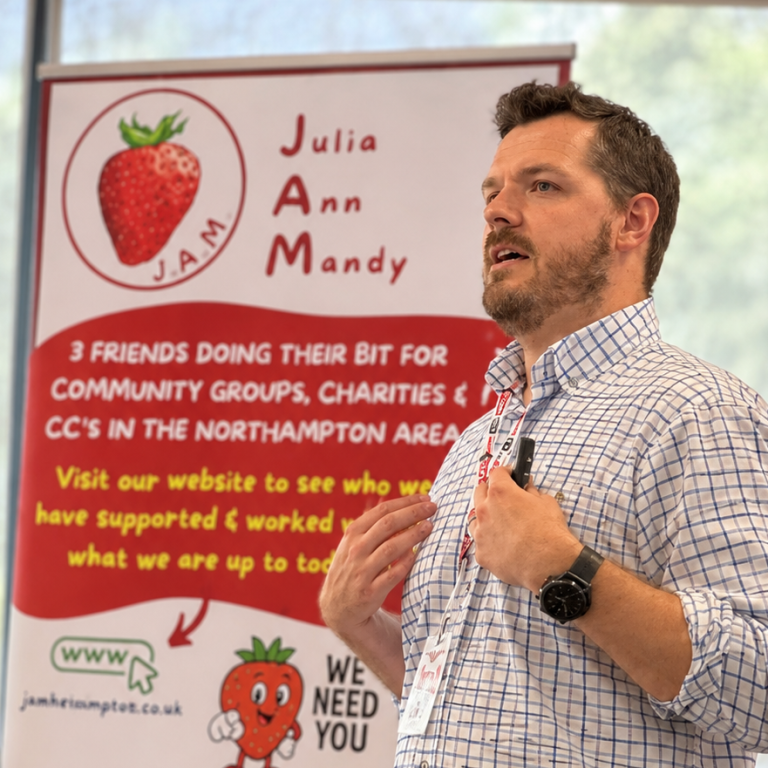
Through attending JAM networking events, we recognised a common challenge among small charities: knowing how to approach corporate partners, communicate their value and turn initial conversations into meaningful relationships.
We were invited to deliver a 45-minute workshop to help charities tackle this challenge and build confidence in their approach.
What We Did
We designed and delivered an activity-based workshop focused on three practical principles:
- Sharpen your story: Getting better at explaining what your charity does, why it matters and the difference it makes.
- Find the right partners: Identifying potential organisations and individuals through the principles of Head, Hand and Heart.
- Make the ask: Using a simple five-box framework to develop tailored messages, create meaningful connections and make a clear ask of potential partners.
Rather than simply talking about corporate fundraising, we gave attendees practical tools they could take away and put into action.
What Changed
The feedback was encouraging, with 100% of attendees rating the workshop as good or excellent.
A key takeaway was the importance of communicating the charity's 'why' - helping organisations rethink how they present themselves and the value they bring to potential partners.
Following the workshop, one charity shared that they had successfully started engaging with a new potential corporate partner.
The Result
Greater confidence, a clearer approach and practical tools to start building corporate relationships.
Rethinking The Volunteer Experience
---
"So many helpful takeaways, both on a strategic and operational level. And loved the weightlifters and gymnasts volunteers analogy, really good reminder of the value in tailored approaches!"
- Volunteering & Participation Coordinator -
Charities rely heavily on volunteers, but developing and improving volunteering opportunities can often take a back seat to the day-to-day demands of managing them.
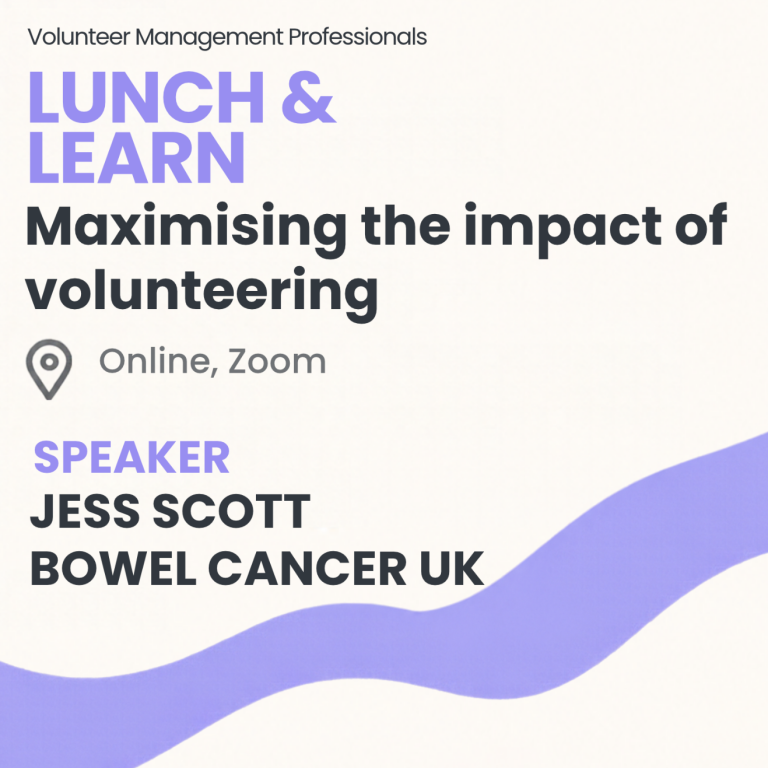
We were invited to deliver a lunch and learn session for charity professionals, focused on helping organisations think differently about their volunteering activities and identify practical ways to enhance the volunteer experience.
What We Did
We designed and delivered an engaging, practical session covering several areas of volunteering development.
Key themes included:
- Planning with purpose: Understanding the importance of having a volunteering plan and what this looks like in practice.
- Creating better volunteer journeys: Exploring how to build a more engaging, supportive volunteer experience, from initial involvement through to recognition and ongoing engagement.
- Embracing flexibility: Looking at different approaches to volunteering, including flexible opportunities that make it easier for people to get involved.
- Making use of available resources: Introducing external platforms, recognition schemes and practical tools that can help volunteer managers develop their offer.
We also shared practical examples and resources, including our own Volunteer Journey Workbook, giving attendees something tangible to take back and apply within their organisations.
What changed
The session was positively received, with encouraging feedback from attendees and follow-up comments highlighting how well the ideas and resources had been received.
Participants were introduced to practical approaches they could use to review their existing volunteering activities, improve the experience they offer and consider new ways of attracting and retaining volunteers.
Rather than focusing solely on volunteer recruitment, the session encouraged organisations to think about the entire volunteer journey and how they could make volunteering more rewarding for everyone involved.
The Result
Fresh ideas, practical resources and renewed focus on developing better volunteering experiences.